

Putto 2 x 2 x 4
[video src=http://www.youtube.com/watch?v=C5efP7LKImc]WGBH, Fred Barzyk/New Television Workshop
[video src=http://www.youtube.com/watch?v=VMaZnEnFAyM]Autopoiesis
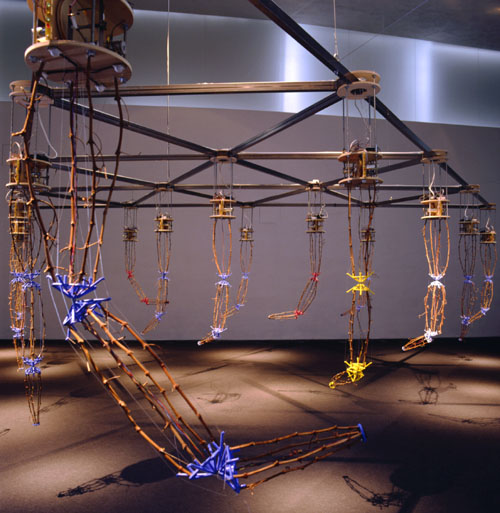
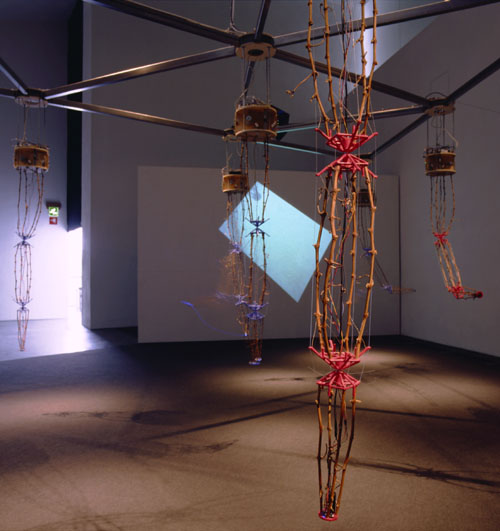
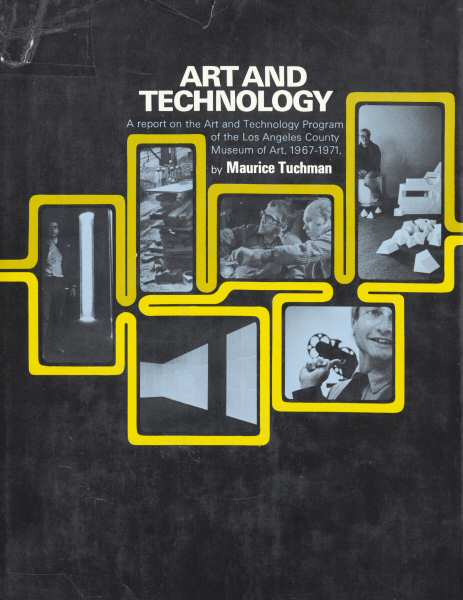
The Art and Technology programme (A&T)
 [1]
[1]
Sick Cat
[video src=http://www.youtube.com/watch?v=XVDvNiUW5rc]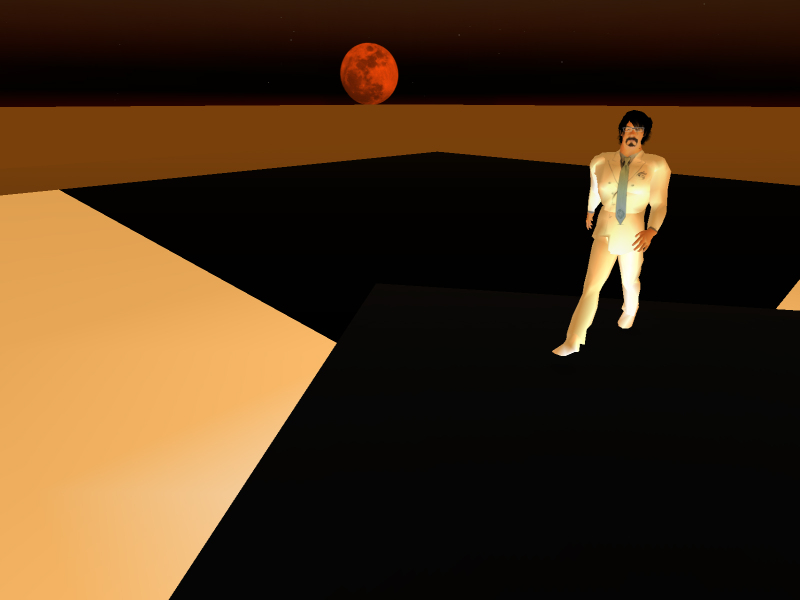
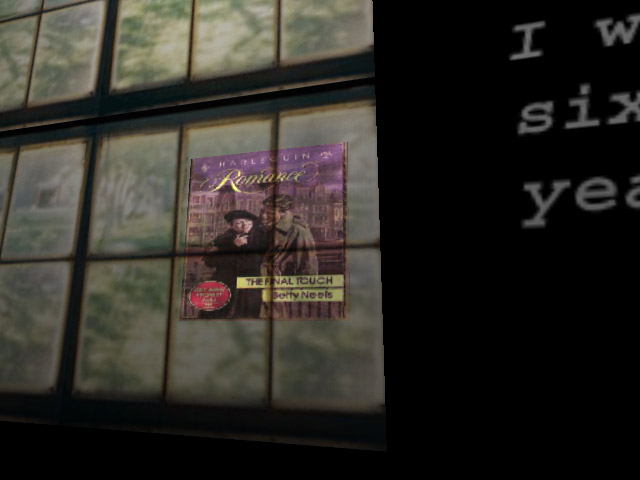
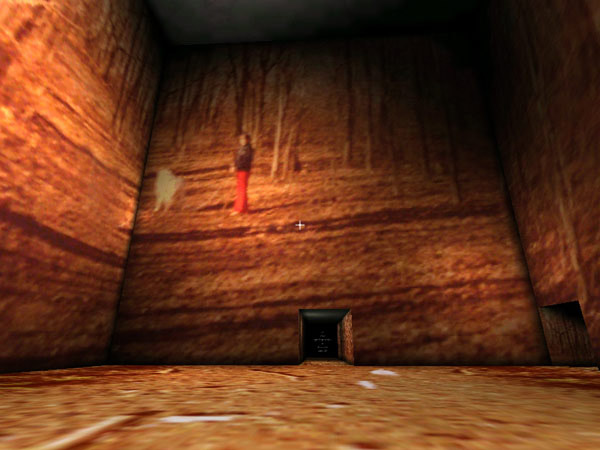
domestic

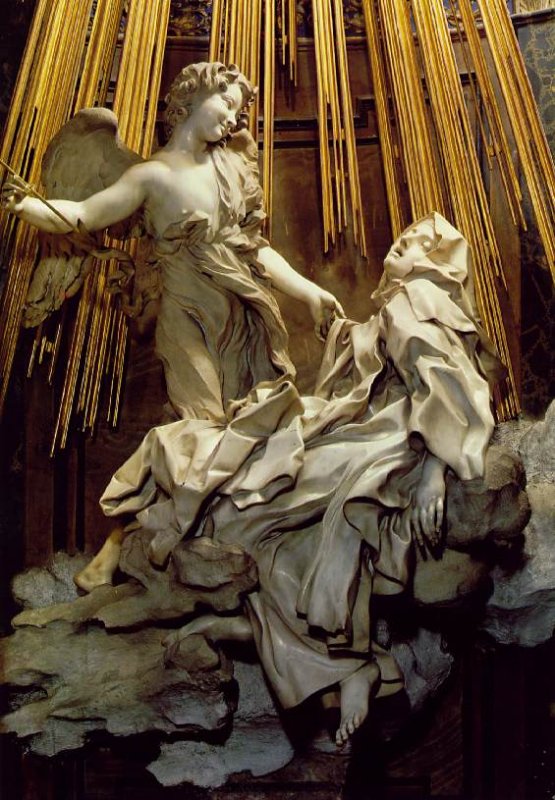
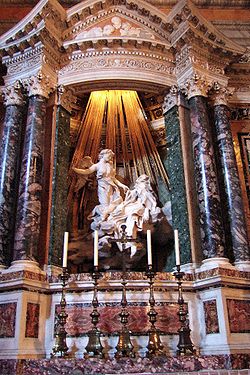
Ecstasy of St. Theresa
Nude Descending a Staircase
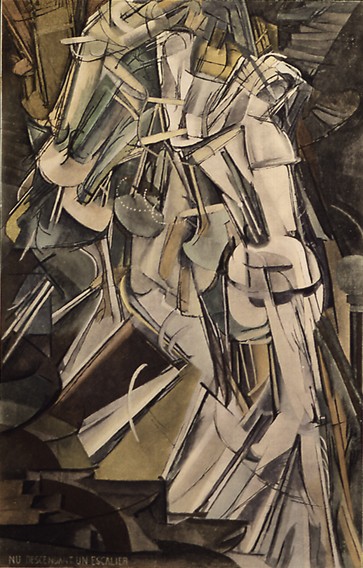
Nude Descending a Staircase (No.2) [1]
Morphovision
[video src=http://www.youtube.com/watch?v=JToEW5h1Xik]A-Volve
 [video src=http://www.youtube.com/watch?v=cZ3v1jcCXmk]
Gare Saint Lazare
[video src=http://www.youtube.com/watch?v=sYQ5CSyACpc]Modern Times
[video src=http://www.youtube.com/watch?v=a0XjRivGfiw]Very Nervous System
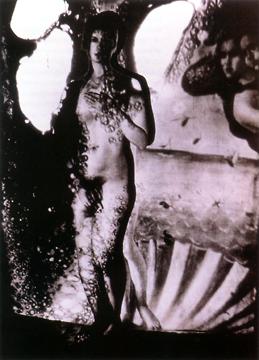
[video src=http://www.youtube.com/watch?v=GALMmVZ49Pc]Son et Lumière for Bodily Fluids and Functions
 [1]
[1]
Legible City
[video src=http://www.youtube.com/watch?v=sj4EbEBkj88]Breath
[video src=http://www.youtube.com/watch?v=9tooUQHGq6w]Iconoclast
[video src=http://www.youtube.com/watch?v=yi8d41ATMVM]Opto-solator
[video src=http://www.youtube.com/watch?v=olrHStcVowY]Tony de Peltrie
 [1]
[1]
Tumbling Man
[video src=http://www.youtube.com/watch?v=9n3xRbnyojo]Eye Contact, Responsive Display
[video src=http://www.youtube.com/watch?v=FTL9DX6uz5I]Daniel Langlois Foundation
 [1]
[1]
ISEA
 [1]
[1]
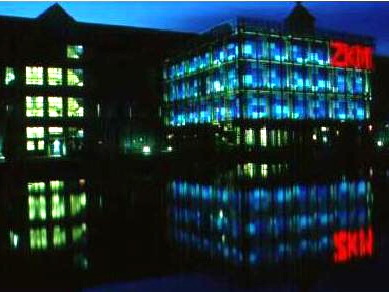
ZKM
 [1]
[1]
9 evenings: theatre & engineering
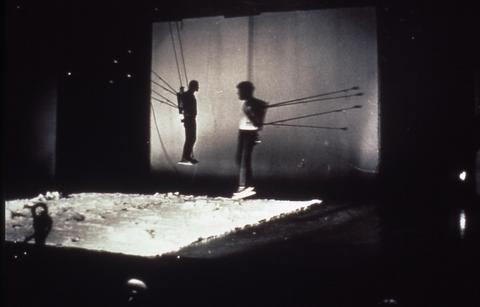
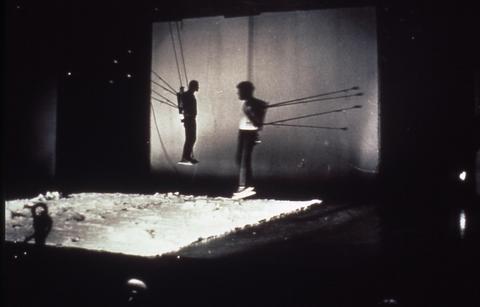 Perhaps the most influential event joining art and technology in the 1960s, 9 evenings was held in October 1966 in New York.
Net Art Per Se (CNN Interactive)

Robot Chair
[video src=http://www.youtube.com/watch?v=Pxq2chA5AT8]Éphémère, Responsive Environment 1998
[video src=http://www.youtube.com/watch?v=Oa_aiw7yhpI]La Plissure du Texte
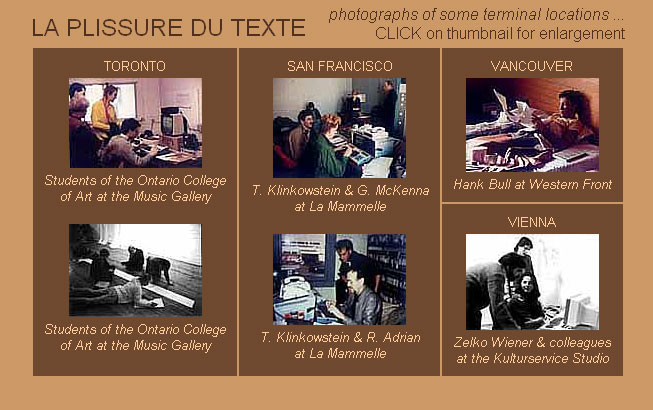
Roy Ascott’s 1980 telematic artwork, La Plissure du Texte (The Pleating of the Text) explored the potential of computer networking for the interactive, remote, collaborative creation of a work of art that challenged the conventional aesthetic categories of artist, artwork, and viewer, and the traditional opposition of subject and object. Eleven locations in the US, […]
Terra Nova: Sinfonia Antarctica
[video src=http://www.youtube.com/watch?v=zCpPNxCnixY]The Nauru Elegies: A Portrait in Sound and Hypsographic Architecture
Wiesbadener kunstsommer
[video src=http://www.youtube.com/watch?v=a5tCnFy2US8]“wo bitte geht’s zum Öffentlichen”
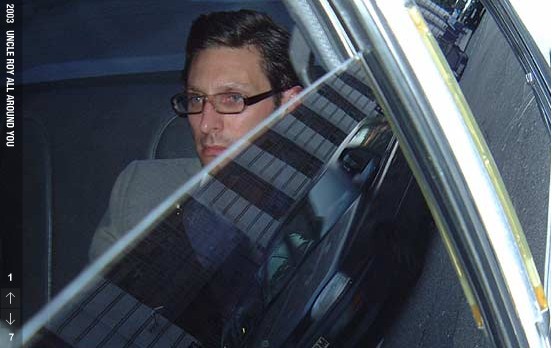
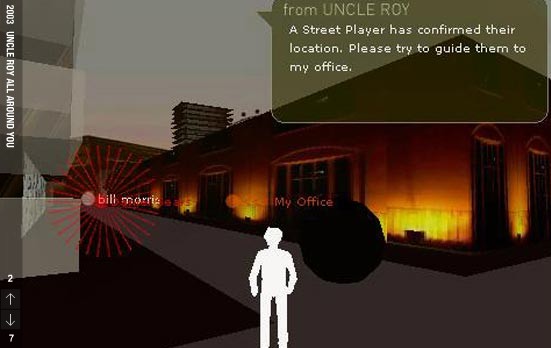
Uncle Roy All Around You
BodyScan (IN/OUT)
“To create BodyScan (IN/OUT), Austrian artist Eva Wohlgemuth had her own body accurately scanned and rendered digitally in three dimensions.Using this as a foundation, the artist subjected her digi
Jodi.org
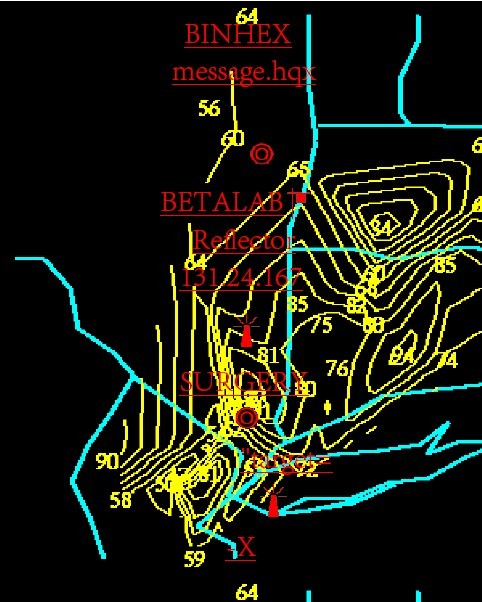
Screenshot of Jodi.org’s hompage
Great Exhibition of 1851 Crystal Palace
[video src=http://www.youtube.com/watch?v=HRvOHOltp_w]Pigeon Blog
“Beatriz DaCosta’s Pigeon Blog (2006) used miniature air pollution sensors, GPS units, and transmitters attached to homing pigeons to evaluate and map local air quality.”[1]
New York Surveillance Camera Players
“Inspired by the situationist theory of détournement, since 1996, the New York Surveillance Camera Players have been enacting agit-prop theatre performances, based on sources including George Orwel
Gametes
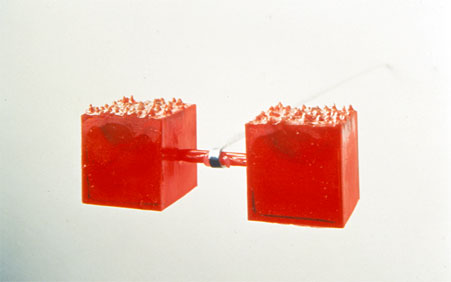
Milk Drop Coronet
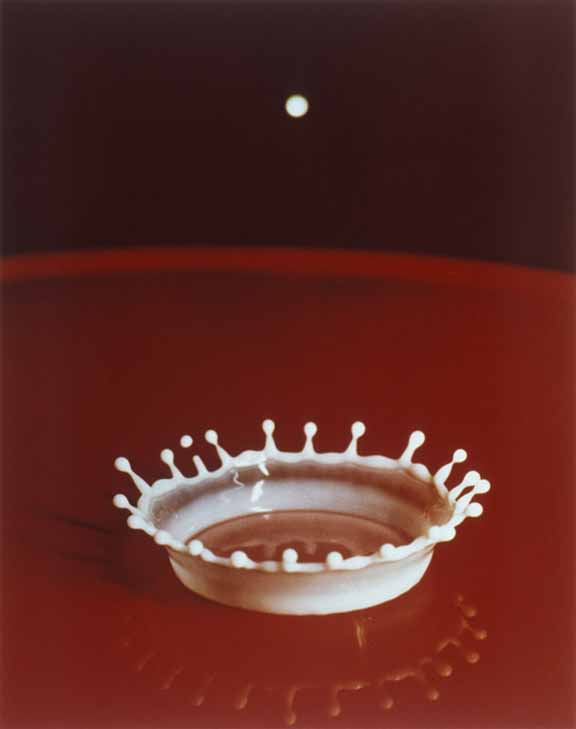
 What the scientist knows as Surface Tension is a sculptor in liquids, and fashions from them delicate shapes none the less beautiful because they are too ephemeral for any eye but that of the high-speed camera.
In the 1930s, Harold ‘Doc’ Edgerton synchronized a camera’s shutter with a high-intensity electronic flash unit, which enabled significantly faster shutter speeds as in Milk Drop Coronet (BW, 1936, color image left, 1957.